 Contributing Writer
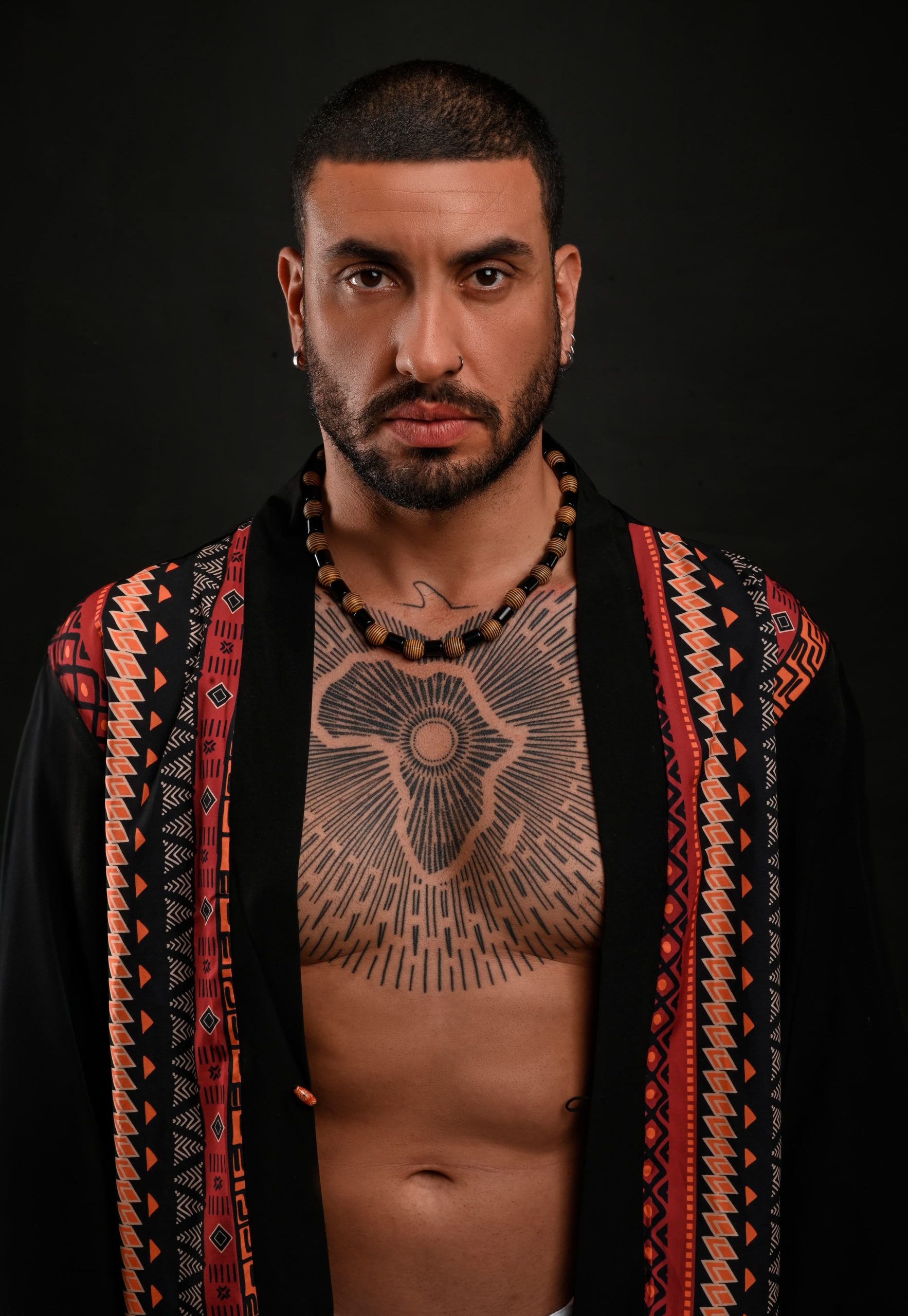
Mr. Maui has a background as a drummer and a percussionist in several bands and has been translating that into his unique blend of house music since 2022. Afro, organic, and Latin house influences all collide in his rich output on an array of labels such as Cafe De Anatolia, YHV Records, and Batuque Records. His sets and sounds have resonated beyond his native Canary Islands and seen him play internationally at venues such as Blue Marlin Ibiza Sky Lounge, Hanoi Club and many more.
1. Hello Mr.Maui, thank you for sitting down with us today. How have you been?
I’ve been doing really well, thank you! First of all, I’d like to thank you for the invitation and for giving me the opportunity to share this moment with you today. It’s a real pleasure to be here.
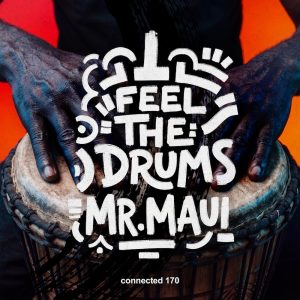
2. Your new single on Connected, ‘Feel The Drums’, is out on August 28th. Can you tell us a little about this release?
‘Feel The Drums’ is a track that represents a very personal part of who I am as an artist. Coming from a background in percussion, rhythm has always been the first language I connect with, long before melodies or vocals. With this release, I wanted people to do more than just listen to the music—I wanted them to truly feel it. One of the things that makes this track especially meaningful to me is that many of the percussion instruments you hear were recorded by me in my own home studio. That was important because it allowed me to share rhythm exactly the way I feel it and to bring a more personal and human touch to the record. The track blends Afro House with organic percussion and hypnotic grooves in a way that reflects both my musical roots and the direction I’m exploring today. I’m also very happy to be releasing it with Connected, a label that understood the essence of the record from the very beginning and believed in it from the first listen. I can’t wait for everyone to experience it.
3. You have a background as a drummer and percussionist in various bands; how has this shaped your music? When did you first start making electronic music?
Percussion was my first musical language, and I honestly believe it still is today. Playing in different bands taught me much more than technique—it taught me how to listen, how to connect with other musicians, and how rhythm can bring people together without saying a single word. When I discovered electronic music, I never felt like I was leaving percussion behind; I simply found a new stage for it. It became a new way of expressing everything I had learned over the years while exploring a completely different creative world. I started producing electronic music in 2022, and it’s been an incredible journey ever since. Every track has opened a new path for me, allowing me to learn, experiment, and grow—not only as a musician, but also as a person. I don’t think the learning process ever ends, and that’s one of the things I love most about making music. Every new production teaches me something new about myself.
4. You’re from the Canary Islands. What’s the music scene like there, and how do you think your hometown has influenced your sound?
The Canary Islands have given me something very special: a unique cultural perspective. We live in a place where Europe, Africa and Latin America naturally connect, and I think that diversity is reflected in the way I understand music. Growing up surrounded by different rhythms, cultures and influences taught me to keep an open mind and to see music as a universal language. That connection with African culture has had a particularly strong influence on me. The energy, the rhythm and the sense of community found in African music have inspired me throughout my journey, and they continue to shape my sound today. People sometimes ask me why I chose Afro House, but for me it was never really a choice. I don’t make Afro House because it’s a trend—I make it because that’s where I feel most like myself. It’s where I can express myself most honestly and where every part of my musical journey comes together naturally.
5. You’ve performed internationally, where has had the biggest impression on you?
I’ve been very fortunate to perform in different places over the years, and each one has left me with something special. I don’t think of them as a list of venues, but as a collection of memories that have shaped me both as an artist and as a person. Playing in Norway was a really unique experience. Performing in Ibiza, one of the world’s most iconic homes of electronic music, was also a dream come true. But if I had to choose the experiences that have stayed with me the most, it would have to be Africa. Performing in Liberia and so close to Sierra Leone is something I’ll carry with me forever. The warmth of the people, the culture, and the connection I felt there made a lasting impression on me. Those experiences reminded me that, beyond the stage, music has an incredible way of bringing people together.
6. Who would you say are your biggest influences?
I’ve been inspired by so many incredible artists over the years that it’s honestly difficult to choose just a few. Artists like Fela Kuti, Mamadou Diabaté and Fatoumata Diawara have had a huge influence on the way I understand music. As a percussionist, Mamady Keïta has always been an incredible source of inspiration for me. Musicians like Toumani Diabaté and Sidiki Diabaté remind me that music is something to be felt before it’s understood. Those artists are the foundation of my musical inspiration. At the same time, I also find inspiration in today’s electronic music scene through artists like Caiiro, Stoffela, and Enoo Napa because of the emotional depth and cultural identity behind their music. I believe inspiration never stops.
7. What was your production process like when creating this track?
People often assume that, because I come from a percussion background, I always start with the drums. But that’s not really how it works for me. Every track has its own beginning. Sometimes it’s a voice, sometimes it’s a drum hit, a guitar riff, or simply a sound that catches my attention. Before I start producing, I need to feel a connection with that first sound. Once that happens, I begin building a story around it. That’s exactly how Feel The Drums was born. It all started with the depth and emotion of the vocals. My job is not to force the music—it’s to listen to where it wants to take me.
8. Is there anything else you’d like to share with us?
First of all, I’d like to thank you for this conversation. If there’s one thing I’d like people to take away from my music, it’s not just a rhythm or a melody—it’s a feeling. For me, music has always been food for the soul. Every rhythm, every instrument, and every sound carries a story, and I feel a deep responsibility to honour that with respect every time I create. I don’t see music simply as entertainment. I see it as a language that reminds us that, no matter where we come from, we all share the same ability to feel. If my music can help someone reconnect with themselves, even for a few minutes, then everything I do has been worthwhile. Thank you to everyone who has supported me, and I truly hope that when people listen to Feel The Drums, they don’t just hear it—they feel it.