 Contributing Writer
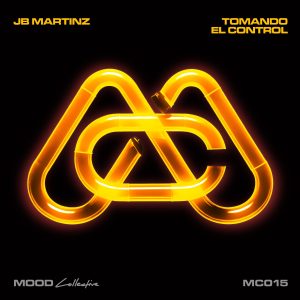
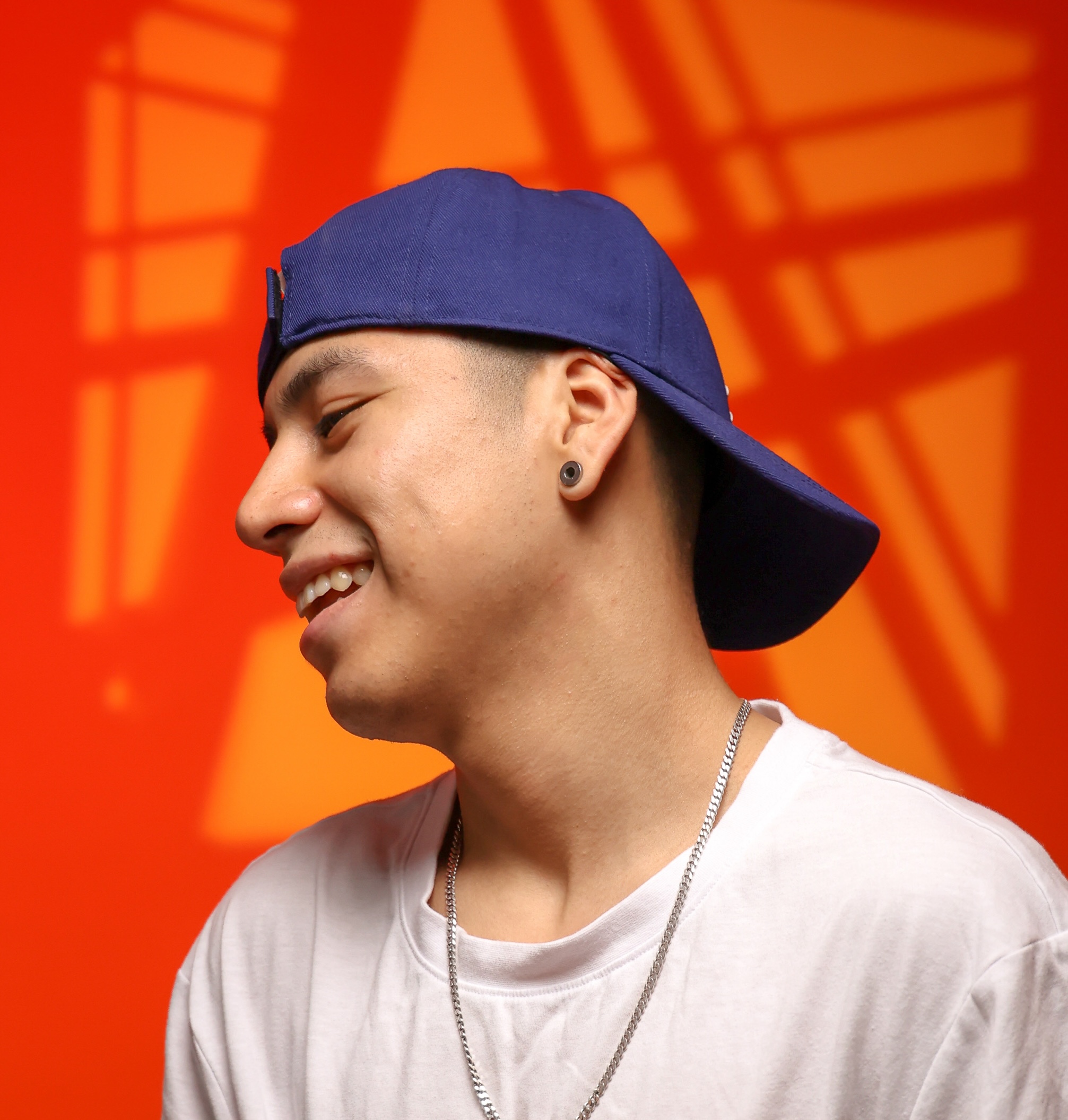
With support from Marco Carola, Carl Cox, Paco Osuna and Loco Dice, JB Martinz is entering a new chapter. We sit down with the Chile-based producer to discuss his evolving sound, his Latin roots and his latest MoodCollective release.
You’ve been on a serious run throughout 2026, with releases on labels like SB Recordings and now MoodCollective. What’s changed in your approach to production or your mindset this year that’s helped create this momentum?
I think the biggest change has been the direction I’ve decided to take with my sound. When I started, my music was much more Latin and more focused on Tech House—very groove-driven, but without as many musical or harmonic elements. Today, I’m trying to create a more sophisticated side of House, with more melody, more tonal elements, and more creativity in the production.
I also feel very confident in this new sound because it gives me more freedom to express ideas musically while still keeping the energy of the dancefloor. Spending time in Europe helped me a lot with that. Listening closely to what some of the biggest DJs are playing, experiencing those dancefloors, and understanding where the sound is moving helped me clarify many ideas and improve certain aspects of my productions.
At the same time, there are things I don’t want to lose. One of the elements that has consistently worked for me is the groove, especially the relationship between the bassline, the rhythm, and those hypnotic House elements. So for me, this evolution isn’t about leaving my old sound behind—it’s about making it more musical, more refined, and more complete.
Both tracks feel designed for those moments when the dancefloor is completely locked in. When you’re producing, do you visualise a specific club or crowd, or do you try to stay focused purely on the music?
Almost every time I’m making a track, I’m thinking about how it’s going to feel on the dancefloor. That’s also why I like to give each record enough time to develop its own identity. I want every track to have something unique or special that people can connect with and hopefully feel what I had in mind when I was creating it.
At the same time, I don’t want to overthink the dancefloor too much. A big part of my process is following what I’m feeling in that moment and creating something that genuinely excites me. I think that’s really important, because if I don’t fully believe in the track myself, it’s difficult to expect somebody else to feel that connection.
For me, confidence in my own music is key. When I finish a record, and I really feel it, I can already imagine myself playing it and transmitting that same feeling to the crowd.
You’re originally from Lima and are now based in Santiago. How have Peru and Chile, and the wider Latin American club scene, influenced the sound you’ve developed as JB Martinz?
Peru had a huge influence on me musically. My parents, my uncles and the culture I grew up around exposed me to a lot of different sounds from a very young age. Peru has such a rich cultural identity, from Andean music and traditional sounds to salsa, cumbia and many other styles that are part of everyday life.
At home I was listening to salsa, ’80s and ’90s rock in English, cumbia, reggaeton, and romantic music, so I think I grew up with a very open relationship with music. Then, when I moved to Chile in 2013, I discovered other worlds that also became important to me—modern pop, rap, electronic music, and many of its different subgenres. That period really expanded my musical perspective and eventually led me toward the artist I am today.
What I’ve learned from living between both countries is that good music connects anywhere. People may have different scenes or influences, but when something has feeling and energy, people understand it.
I think what makes my sound feel Latin is not necessarily one specific instrument or genre. It’s more in the attitude—the happiness, the movement, and the party energy inside the grooves. Even when I’m making something more sophisticated or underground, I feel that Latin character naturally comes through.
You’re also a resident at Club Room and the MISA parties in Santiago. How important has being closely connected to a real dancefloor been to your development as a DJ and producer?
Being a resident has taught me that unity is very important. It’s not only a responsibility to play music, but also to connect with the crowd, support other DJs who are starting their journey, and help create the right atmosphere from the beginning of the night until the very end.
I’ve learned that every stage of a party matters. You can’t always rush straight to the biggest moment. Building the energy properly, respecting the flow of the night and understanding your role within that process are all very important.
As a producer, having a residency is also extremely valuable because I can test my own music in a real environment and immediately see how people react. That feedback helps me understand what works, what connects and what might still need improvement.
For me, there is also a very clear difference between producing and DJing: creating music is about connecting with myself, while playing as a DJ is about connecting with other people. I think having both experiences constantly feed each other has been a big part of my development.
You co-founded Congueros Music and have helped bring artists like Stefano Noferini, Pablo Ceballos and Chelina Manuhutu to your scene. What have you learned from being on the other side of the booth and helping build events?
As an organiser, I’ve learned how important a strong line-up is for creating a great night. Every DJ has to bring something the event needs, and the goal is to make sure every part of the line-up adds to the experience instead of competing with it.
I’ve also learned that sometimes you have to be firm when making decisions or handling agreements, but always with respect and good treatment. This industry is very connected, and in the end, we are all part of the same ecosystem, so the way you work with people matters a lot.
One of the hardest parts is that there is always something unexpected happening that needs to be solved. But I’ve learned to see that as part of the process. Every challenge teaches you something and helps you become better prepared for the next one.
Being involved on both sides — as an artist and as an organiser — has definitely given me more respect for everything that happens behind the scenes before a party even starts.
Your tracks have found their way into the sets of heavyweights like Carl Cox, Marco Carola and Paco Osuna. Is there a particular DJ support or dancefloor reaction to one of your records that has really stuck with you?
I’ll never forget one of the first major supports I ever received, when Marco Carola played my track “Bella Mia.” At that time, I was only just starting to release music, so seeing an artist of that level playing one of my records was a huge moment for me.
What stayed with me the most was watching the reaction of the crowd. It gave me a lot of confidence in my sound and made me feel that I was moving in the right direction. I also started paying attention to which parts of the track people connected with the most, and that became very useful when developing new ideas in the studio.
Another support I’ll never forget happened much more recently, during my first trip to Ibiza. Loco Dice played my track “Terminator,” which was released on his label SB Recordings, during a B2B with Mau P. I was there in the crowd, listening to it, and watching people react to something I had created.
That was very emotional for me. It’s one of the best feelings you can have as a producer—realizing that something that started as an idea in your studio can connect with people somewhere else in the world.
MoodCollective is Nicole Moudaber’s label and has a strong identity around powerful club music. What does landing on the label mean to you, and how did the relationship with MoodCollective come about?
Releasing on MoodCollective is a big step in my career, especially because Nicole has supported my music for quite some time. I have great memories of seeing her play some of my tracks at major venues and parties, and those moments gave me a lot of confidence in my sound. They also motivated me to keep improving my ideas and developing my identity as a producer.
I have a lot of respect for Nicole, not only because of everything she has achieved throughout her career, but also because of the person she is. She has a big heart, she’s very friendly, and she has a genuine connection with her audience and with the people around her. I really admire that side of her.
Musically, I also think she has a very unique groove. There is a darker side to her sets that comes from her background in techno, but she combines that with modern House influences in a very powerful way. For me, that mix is really beautiful to experience live.
The EP came together very naturally. “Tomando El Control” was part of a playlist of new music that I sent Nicole, something I had done before, and she connected with these two tracks. From there, the music brought us together and gave life to the EP. Being able to release it through MoodCollective and become part of the family makes the whole project even more meaningful to me.
Looking at the wider picture, where do you feel your sound is heading next? Are there elements you want to explore that we haven’t heard from JB Martinz yet?
I just want to keep making good music and create a stronger connection between my sound and the people who listen to it. I want to give people something they can identify with, while still exploring different vibes and styles without losing my personality.
One direction I’ve always been very interested in—and definitely want to explore more—is cinematic music. I want to start creating with more refined and unique sounds, relying less on ready-made libraries and bringing more real musicians and artists into the process.
For me, that opens the door to creating something more organic, more personal and ultimately more unique for the listener. I want the music to feel more alive and to have its own world around it.
I’m also genuinely excited about the music I have coming next. I’m at a point where I’m making records that I really love myself, and that makes me very happy. I think that feeling is important, because if I’m excited about the music first, there’s a better chance that other people will connect with it too.
Follow:
JB Martinz: Instagram – Soundcloud – Spotify
MoodCollective: Instagram – Soundcloud – Facebook