 Contributing Writer
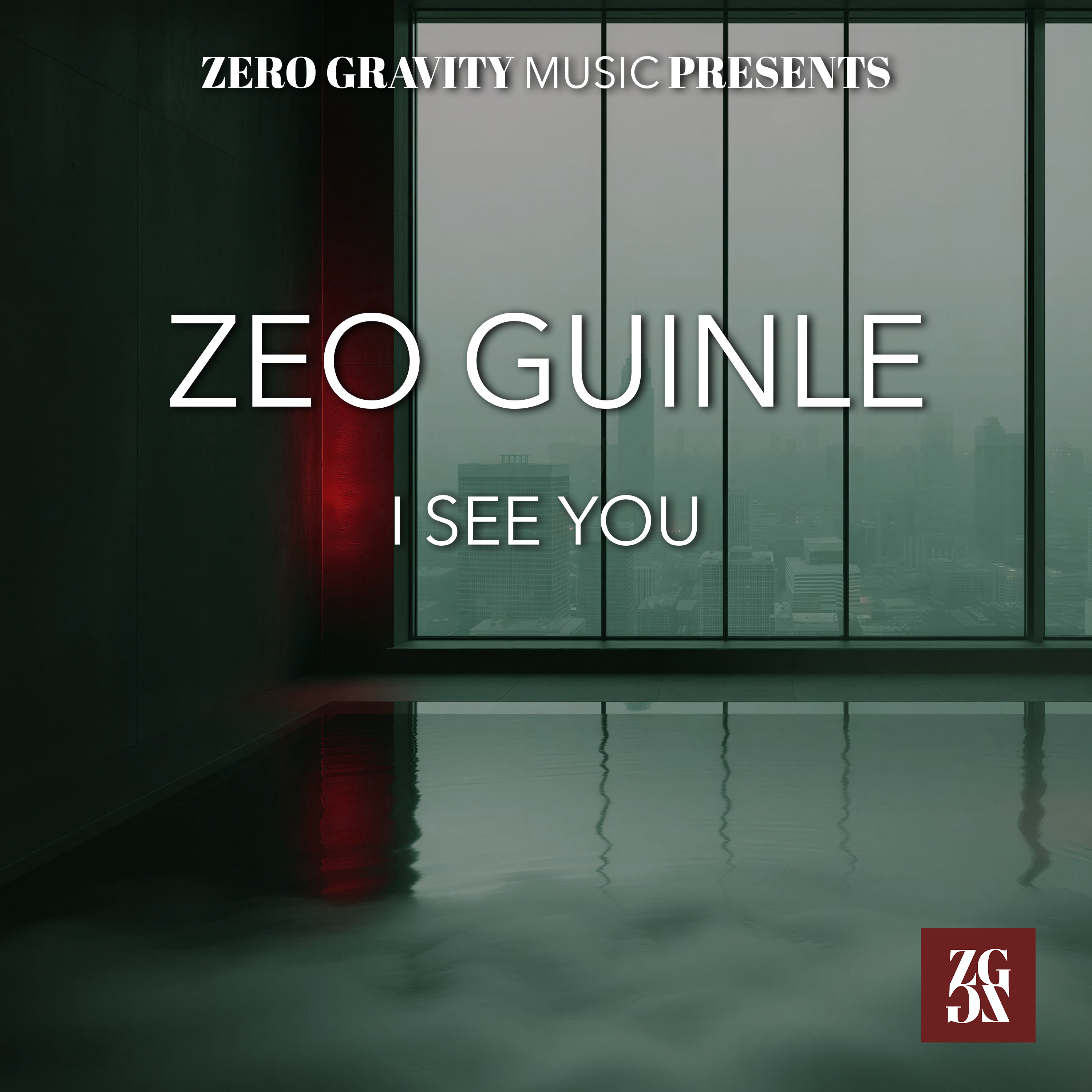
Zeo Guinle marks his highly anticipated return to music production with the release of ‘I See You’ on Zero Gravity Music, following a period dedicated to working behind the scenes in the music industry, combining artistic maturity, global vision, and sonic sophistication that are now reflected in his music. With a well-established career in electronic music, Zeo has amassed millions of streams across digital platforms and released music on major international labels, including Universal Music, Warung Recordings, and Berlin’s renowned Katermukke. He has performed at some of the world’s most prestigious stages and events, including Tomorrowland Brasil, Rock in Rio, Warung Beach Club, and his residency at São Paulo’s iconic D-Edge Club. Now, following a creative hiatus, the artist returns with a track that represents a new chapter in his sonic identity
Hi Zeo, welcome to Music Is 4 Lovers! How are things?
Thanks for having me. Things are busy — the release is out, the studio is full, and I’m already working on the next projects. I’m speaking to you from Rio de Janeiro, where I run my label and my studio.
After years working behind the scenes, what surprised you most about returning to production?
How much my ears improved without me noticing. Years of mixing and mastering other artists’ records means diagnosing problems all day, every day. When I came back to my own music, decisions that used to take a week took an afternoon. The harder part was the opposite: being the artist and the engineer in the same session. The engineer wants to fix everything. The artist sometimes needs things slightly imperfect. Learning when to switch between those two roles was the real adjustment.
Did making ‘I See You’ feel like a continuation of your earlier work, or a clean break from it?
Neither. Everything I learned in more than 25 years of DJing and producing is in there — how to build tension, how to make a room move — but the intention changed. My earlier work was made to function. This one was made to say something first and function second. So the tools are continuous, the purpose is new. I’m not rejecting anything I did before. I’m just not repeating it.
How has your definition of a successful record changed over the course of your career?
Completely. Early on, success meant support: which DJs played it, which charts it entered. Today my measure is simpler and harder: will the track still hold up in five years, or does it just sound like this year’s trend? Running a label reinforced that — I see how fast music gets consumed and forgotten. A successful record, for me now, is one I would still sign if another artist sent it to me, and one I can play in a set without explaining the context. The numbers follow, or they don’t. I stopped trying to control that part.
Has your workflow changed significantly since your earlier releases?
A lot. Today I work in a certified Dolby Atmos studio, so I think about space and placement from the first sketch, not as a final polish. The process is also more disciplined: I resolve everything in stereo first — arrangement, tension, low end — and only then take it into the immersive format. And since I master my own material and other people’s records daily, quality control happens at every stage instead of at the end. Less improvisation in the process. That leaves more freedom for the music itself.
When you’re producing today, are you imagining a dancefloor or a more personal listening experience?
Both. That’s the standard for this phase: the track has to work in a club and hold up on headphones at home the next day. They’re different tests — the dancefloor forgives things headphones don’t, and the other way around. ‘I See You’ was checked against both constantly, including in the car, which is still one of the most honest listening environments there is. If I have to choose a priority, the emotional read comes first. A track that moves a floor but says nothing gets forgotten quickly.
How has running a label influenced the way you approach your own music?
It made me a tougher filter for myself. When you evaluate demos every week, you develop a fast sense of what’s real and what’s imitation — and you can’t unsee that in your own sessions. It also removed my excuses: I own the release schedule, so if a track isn’t ready, nobody forces me to put it out. The other side is responsibility. ‘I See You’ carries the label’s name too, so it has to meet the same standard I demand from every artist we release. No shortcuts because it’s mine. If anything, the bar is higher.
Do you feel a responsibility to represent the Brazilian electronic scene, or has your sound moved beyond geography?
I don’t treat it as an obligation, but it’s in the music whether I plan it or not. Brazil is in how I feel rhythm and groove — that’s formation, not decoration. My work also connects with Afro-Brazilian culture and spirituality in projects outside the club, so my roots are not something I put on for the occasion. But I’ve never made “Brazilian music for export ” and I’m not starting now. I make the music I hear, from Rio, with everything that being from here gave me. If that represents the scene, good — but representation works better as a consequence than as a mission.
What role does instinct play in your productions compared to technical precision?
Instinct decides, precision executes. Every important call on ‘I See You’ — the restraint, the space, keeping the vocal half-veiled — came from instinct. The engineering exists so thosedecisions arrive intact on every system, from a club rig to earbuds. After 25 years, most of what people call instinct is accumulated experience: thousands of nights reading rooms, thousands of sessions hearing what works and what doesn’t. But I keep one rule in the studio: if the meters say one thing and my gut says another, I check the gut first. A technically perfect version of a weak idea is still a weak idea. The reverse can be fixed.
Does this release set the blueprint for what’s next, or are you still exploring where this new chapter leads?
It sets the direction, not the formula. The values are defined — space, patience, emotional weight, stereo first and then immersive. How those values sound on the next track is still open, and I want to keep it that way. I have more material in progress on Zero Gravity, including work in Dolby Atmos, and each release will test the same principles against different ideas. What I won’t do is repeat ‘I See You’ because it worked. This chapter took years to arrive. I’m not in a hurry to turn it into a template.