 Contributing Writer
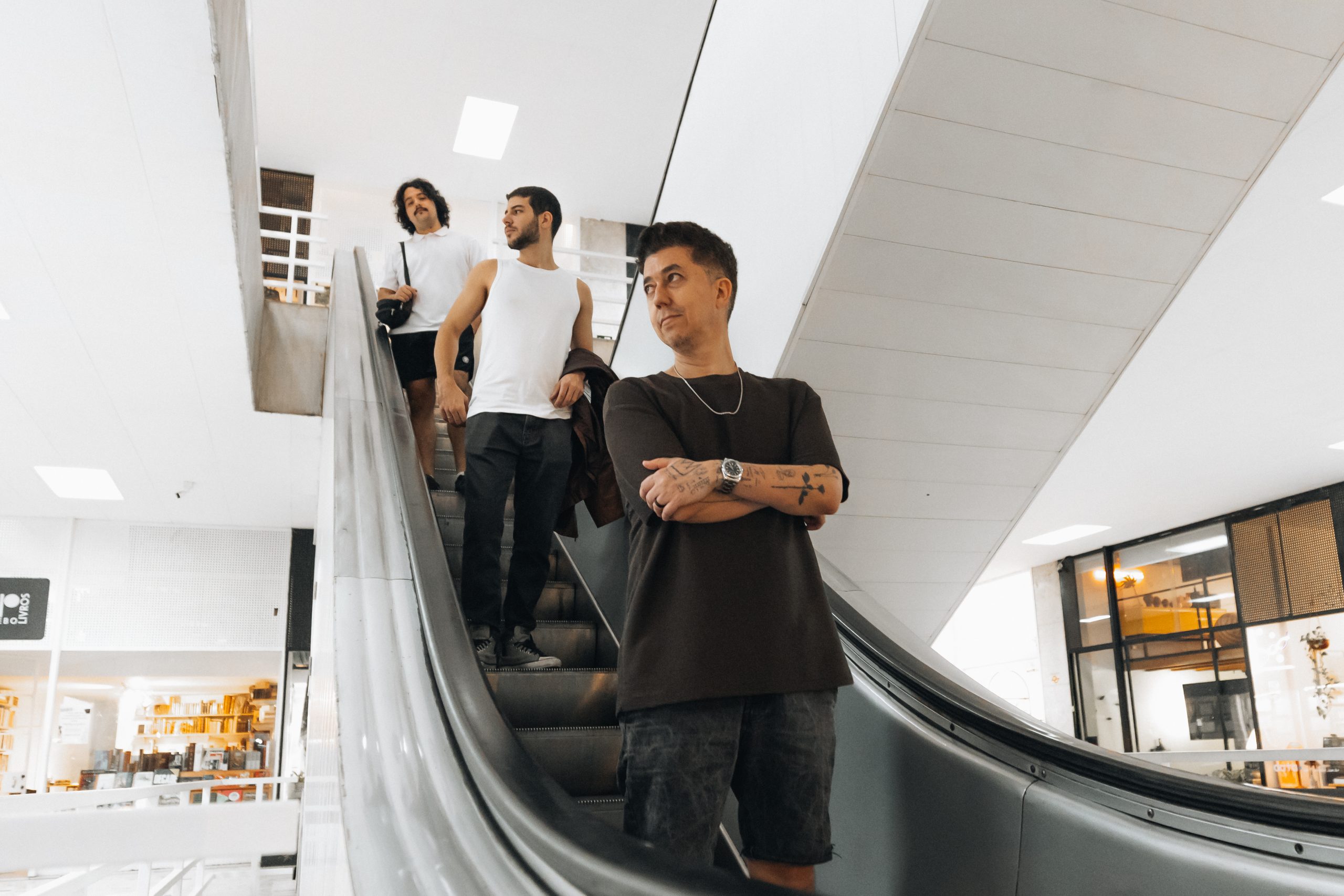
Julio Torres is one of the pioneers of the first generation of DJs in São Paulo, who now has an international reputation. He has been at the heart of the house scene for more than 20 years and has played everywhere from Rock in Rio to Tomorrowland and Space Ibiza. His music lands on the likes of Cocada, and he recently collaborated with Brazilian house duo and childhood friends Ketoots on a new track for Solomon’s Diynamic. They now hook up once more for another steamy, summer-ready groove on Notre Dame’s ever more vital Paranormal label. Music Is 4 Lovers sits down with the artist to discuss their upcoming release, journeys in music, and Brazil’s music scene.
1. Hey Guys, thanks for sitting down with us today. How has this year been for you so far?
Ketoots: Hello! Thank you, guys, for the opportunity. This year has been great; we are both creating lots of tracks, and it has been wonderful to see them popping out and catching people’s reactions.
Julio Torres: This year has been very intense and inspiring for me. I recently released music on Diynamic, which has been a very special milestone, and I’ve been playing in important clubs in Brazil like D-EDGE and Surreal Park. At the same time, I’ve been developing my own party, EUPHONICA, creating a space focused on musical connection and atmosphere. Overall, it feels like a year of growth, new opportunities, and exciting projects ahead.
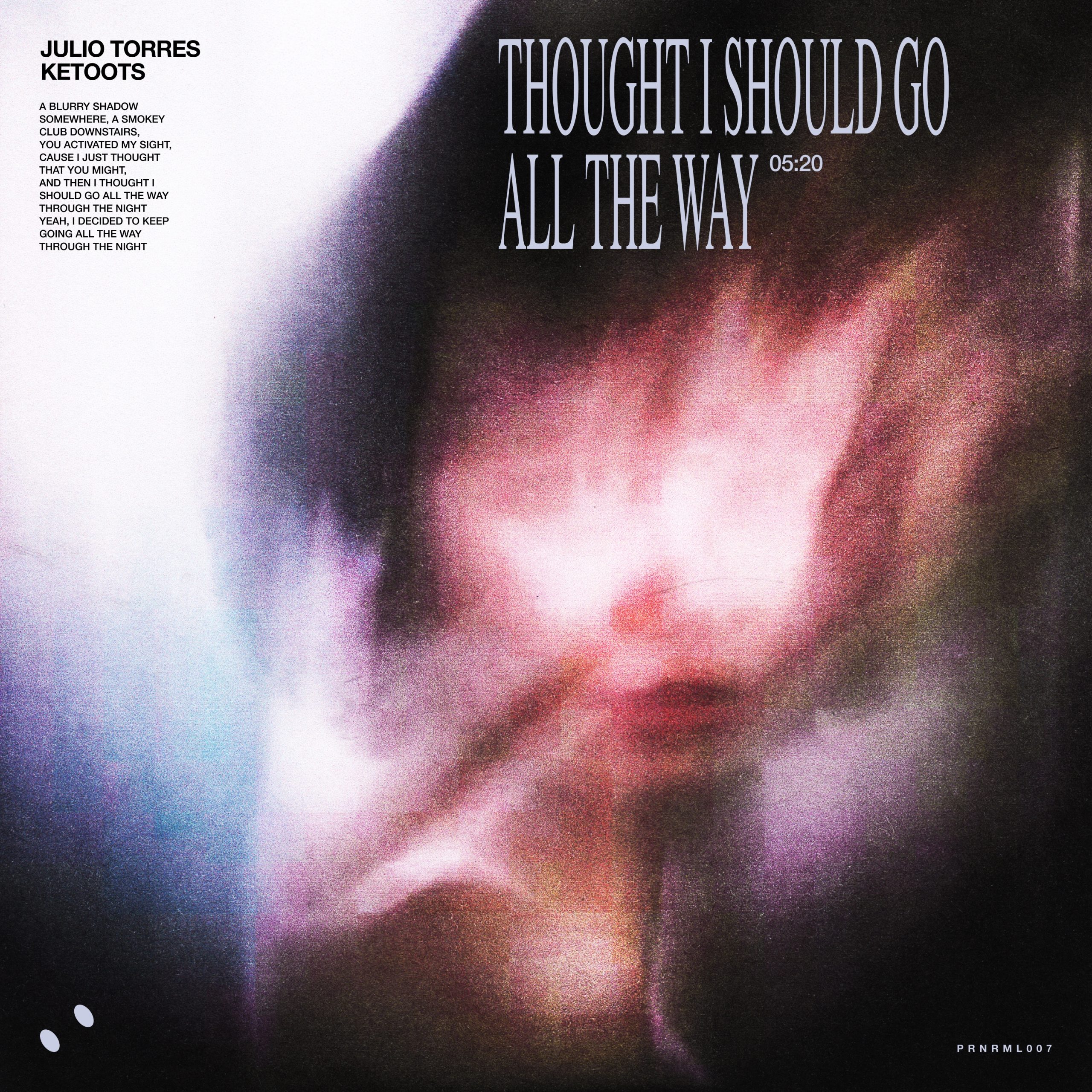
2. You’ve got a new release, ‘Thought I Should Go All The Way’, coming out via Paranormal. Can you tell us about what led to the creation of this track?
Ketoots: We made a nice beat that made us think of our friend Carol on the vocals. She came down to the studio, and we started brainstorming some ideas for the lyrics. After we saw her vocal takes, the arrangement began to naturally appear and grow
Julio Torres: Thought I Should Go All The Way’ came from an emotional and very instinctive studio session, built around a hypnotic groove and a strong sense of tension and release. The vocals from Carol play a key role, bringing a feeling of desire and surrender on the dancefloor. We’ve been testing it in clubs and seeing it grow through the crowd response has been really special. Being released on Paranormal makes it even more meaningful, especially as we’re big fans of Notre Dame, and seeing him play the track around the world has been incredible for us.
3. Julio, you’re widely renowned as one of the pioneers of the first generation of House DJs in São Paulo. We’d love to hear about your journey in music and what led you to find your sound.
My journey started in São Paulo’s club culture during the rise of house, acid house, and the early rave movement, when the foundations of the scene were being built in the city. I developed my approach playing long sets and learning how to read the dancefloor in a very direct, instinctive way, where selection and timing were everything. A defining part of this path was my residency of over 17 years at D-EDGE, which shaped how I understand club dynamics, especially through warm-up sets for artists like Laurent Garnier, PeteTong, Carl Cox, and Damian Lazarus. That experience taught me how to build a night from the ground up and connect deeply with the dancefloor. Being part of the early foundation of electronic music in São Paulo, and now witnessing how strong and global the Brazilian scene has become, is something I value deeply and feel very grateful for.
4. Ketoots, you’re childhood friends and now a DJ duo. How did your friendship develop into a partnership in music? Do you find that your closeness plays a role in how you grow and develop as artists?
Music brought us together in school, but we really started having a partnership in music some years later, mainly in rock bands during our teenage years. Later on, our passion for electronic music grew, and we naturally adapted and developed our composing process. Our closeness plays a big role in our artistic development; the possibility of having a close friend help you to see your blind spots is incomparable. We try to be a mirror to each other, helping ourselves see parts of our creations that we normally wouldn’t notice.
5. You three have collaborated multiple times already on tracks like ‘Stay A Bit Longer’, ‘Tongo’, and ‘Cálice.’ What’s your process like when you work together? Can we expect to hear more collabs from you all in the future?
Ketoots: We are always hanging out and showing each other stuff, so creating music together almost comes as a consequence of us spending time together. Besides every track having its own universe and consequently different things each one can add to contribute, as Ketoots, we think we frequently bring our instrumental experience and align it with Julio’s experience as a track digger and DJ on almost all tracks.
Julio Torres: Our process is very natural and fast. It usually starts from long conversations about music ideas, references, and what we’re all excited about at the moment. Almost without noticing, those discussions turn into experimentation in the studio and eventually into tracks. Beyond friendship, we’ve been working quite a lot on new material that’s coming soon. It’s a very playful process; we enjoy it a lot, and that sense of fun is essential. What starts as a kind of creative “game” often becomes the foundation for the music we end up finishing. Because of that synergy, tracks like ‘Stay A Bit Longer’, ‘Tongo’, and ‘Cálice’ came together quite organically. We’re always exchanging ideas, so it’s not a one-off situation—it’s an ongoing creative flow, and there’s definitely more to come.
6. How has the music scene in Brazil influenced you growing up and now?
Ketoots: We both have been influenced in so many ways by Brazilian music that it even becomes hard for us to point out how it affects us, because we can’t imagine or remember ourselves without it. Naming artists would be a failed attempt to contemplate such a vast culture, so broadly speaking, the way we Brazilians use Portuguese and local culture to create music fascinates us and heavily influences our melodies and rhythms.
Julio Torres: Growing up in Brazil shaped the way I feel and create music. Brazilian culture is naturally rhythmic, emotional, and full of groove, and that became part of my identity as a DJ and producer. The underground electronic scene in cities like São Paulo also taught me that music can be both sophisticated and deeply human. Even today, I think the warmth, energy, and creativity in my sound come directly from being Brazilian.
7. House music is at the core of all you do. How has the genre changed throughout your careers, and where do you see it going next?
Ketoots: We both have been influenced in so many ways by Brazilian music that it even becomes hard for us to point out how it affects us, because we can’t imagine or remember ourselves without it. Naming artists would be a failed attempt to contemplate such a vast culture, so broadly speaking, the way we Brazilians use Portuguese and local culture to create music fascinates us and heavily influences our melodies and rhythms.
Julio Torres: House music has changed a lot over the years, but its essence is still the same: connection and emotion. Today, everything moves much faster because of social media and streaming, but at the same time, there’s a strong return to authenticity and real musical identity. Looking ahead, I see house music becoming even more hybrid and global, with local cultures influencing the sound in unique ways. Brazil, for example, is already playing an important role in this new generation of electronic music.
8. Thank you for sitting down with us today. What are you getting up to for the rest of the year?
Ketoots: Thanks for the invite! This year, we are cooking up some fresh music straight from our hearts! Some new releases are coming soon, make sure you don’t miss them!
Julio Torres: Thanks for having me. I’m focused on releasing new music, testing unreleased tracks in clubs, and working on a few collaborations I’m excited about.