 Contributing Writer
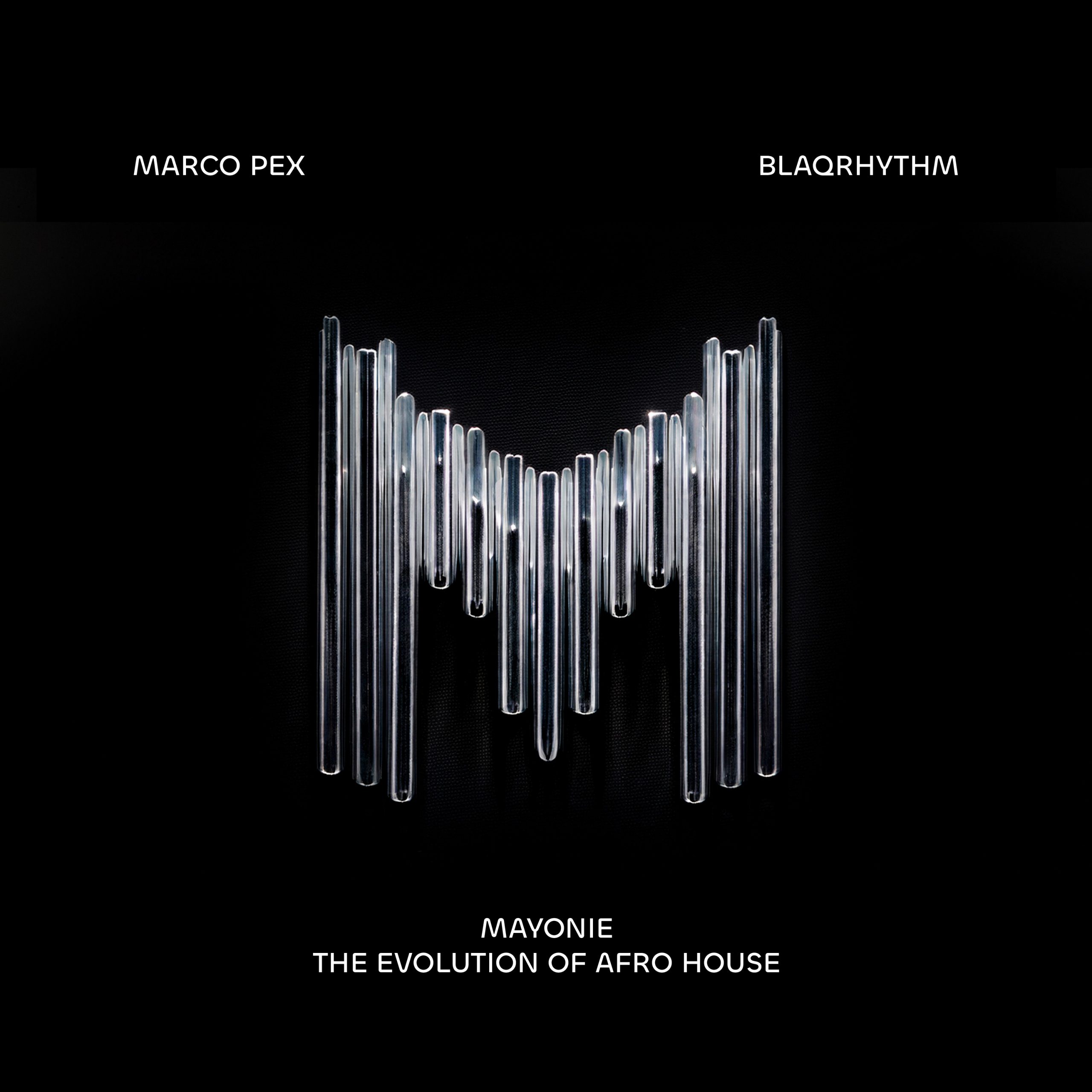
Mayonie Productions is a much-revered label, home to some of the most influential Afro house and tech artists in the world. The pioneering independent imprint and talent management agency is celebrated as the first to be run from Durban, South Africa, and was founded by the globally renowned, Grammy award-winning, multi-platinum-selling artist Zakes Bantwini. Now, the label makes another vital contribution to the scene with this carefully curated deep dive into all facets of its sound. It’s a collection that moves on every level, with magnificent emotion defining each track and authentic percussion, vocals, and melodies all making this powerful statement of South African creative intent. Music is 4 lovers sat down with TechniQ to discuss his feature track ‘Yale Nale’.
1. Hi Tekniq, thanks for chatting with us today. How is your year going so far?
It’s great chatting with you man. The year is just beginning, but it’s already looking very interesting. I’ve got a lot of projects lined up, a lot of work, and a couple of gigs coming my way. I’m really looking forward to a busy and exciting year.
2. You’ve got a new track out, ‘Yale Nale’, featuring on the Mayonie Album ‘The Evolution of Afro House’. How did this come about? Did you make the track specifically for this album?
”Yale Nale,” featuring Maline Aura, is an experimental project. Mayonie is releasing an album featuring various artists, and I’m honored to be a part of it. I had to create a song specifically for the label, so I went in the direction of Afro House and 3-step, fusing it with Maline Aura’s vocals. Since she’s one of the head vocalists for the label, I figured she would fit perfectly with the direction I wanted to take. It’s a very vibey, “nice” track with that 3-step feel, which is a fresh, emerging sound in South Africa. I tried to incorporate all those elements, and I really hope everyone enjoys it.
3. What were your main inspirations when creating ‘Yale Nale’? Did you have a particular message or story you wanted to convey with the track?
We draw inspiration every day from whatever music is around us. For this song specifically, the inspiration came from seeing how much the music has grown and the sounds we’ve immersed ourselves in lately. It’s about the emergence of new styles—like 3-step and this new African electronic house that merges with European sounds—as well as Afro Tech and Afro House. I just wanted to draw inspiration from the current vibe of the industry and where it’s headed.
4. You’ve shared stages with some big names in the industry, including Black Coffee, Vinny Da Vinci, and DJ Sbu. How do these artists inspire your music?
I grew up listening to the likes of Zakes Bantwini, Black Coffee, Vinny Da Vinci, and DJ Sbu. They paved the way as the first real producers of house music in South Africa, so naturally, they inspired us to follow in their footsteps. The biggest inspiration is that they haven’t stopped growing; they are still reaching new heights. Seeing Zakes Bantwini and Black Coffee win Grammys set a new benchmark for what we can aspire to as artists. Watching them achieve greatness locally and internationally is incredibly inspiring to me. We’re blessed to have these legends around us and to even be in close enough proximity to have conversations and ask them for advice.
5. You’ve been named a pioneer for the South African House Music sub-genre ‘Broken Beat’. How did you form this sound? Has Broken Beat continued to be a staple in productions and sets?
Broken beat… I was once named the “King of Broken Beat.” That sound was very experimental for me. As I said, I’m always trying to experiment; every time I go into the studio, I try to refrain from repeating what I’ve done before. I want to implement new creative ideas every time. I think that’s how my version of Broken Beat was born—playing with rhythms and shifting away from the foundational 4/4 beat of house music to expand my creative process. I still play it in my sets every now and then at certain gigs. The sound is still growing, and we actually have something planned for it this year, so I can’t wait to drop that.
6. What are some staple Afro House tracks and albums that everyone should listen to?
There are so many Afro House tracks and albums out there right now that I can’t name just one. I’d say listen to DJ sets and check out the Top 100 charts on the major electronic music stores. Also, dive into Spotify playlists—if you explore those areas, you’ll definitely find some hidden gems. Also, keep an eye out for the new Mayonie album that we’re featured on; that’s going to be exciting. Zakes Bantwini is also releasing an album, which is something to look out for. It’s going to be a great year for music with producers from all over the world.
7. Afro House has such a rich history and culture that is conveyed in this album. What does the future of Afro House look like to you? How do you see the genre developing?
Regarding the future of Afro House, music is evolving, and AI is stepping onto the scene. It’s going to be a major game-changer for the direction we’re heading. We have AI software now that can literally create beats and vocals from scratch. I see it expanding the genre into new sub-genres under the Afro House or EDM umbrella. I’m seeing positive changes, like the birth of new festivals, which is great for the movement. Even Tomorrowland is evolving. So many interesting things are happening, and I think Afro House is going to be a major player in that future. I can’t wait to be a part of it.
8. You’ve been coined as one of the leading Afro House producers, producing hits including ‘My Gift’ and ‘Stardust’. Who do you think are in the next generation of leading Afro House artists and DJs?
Regarding the next generation, we see new producers emerging every month. I haven’t put a “keen eye” on any specific newcomers just yet, as I’m mostly following those already established in the scene. I’d be lying if I said I had one specific “hidden gem” for you to look out for right now. But the industry is wide open, and we’re going to see a lot of talented people moving in. I’m looking forward to the exciting collaborations that will introduce these new artists. For now, I’m just keeping a curious interest in who is coming up next, and I hope we keep introducing producers who help the movement grow.
9. You’ve played all across the world. What are some of your favourite places to play?
There are so many places I’ve loved playing. To be honest, I’ve enjoyed almost everywhere I’ve been, whether it was Thailand, Vietnam, Kenya, or the Netherlands. I’m excited to explore new countries, too. I have my eyes set on a few festivals where I’d love to share my music. Of course, playing back home will always be closest to my heart—I love playing in South Africa. But I also can’t wait to head to places like Ibiza, France, and North America.
10. It’s been great chatting with you today! What are your plans for the rest of 2026?
My plans for 2026 center around my album, which I’m planning to release by the third quarter of the year. It’s the big project I’m focusing on right now. I want to build on the success of my previous album, Librah, which a lot of people enjoyed, and try to create something even greater. So, that’s the main goal—along with touring the world, spreading the love through music, and embracing whatever good opportunities come my way.