 Contributing Writer
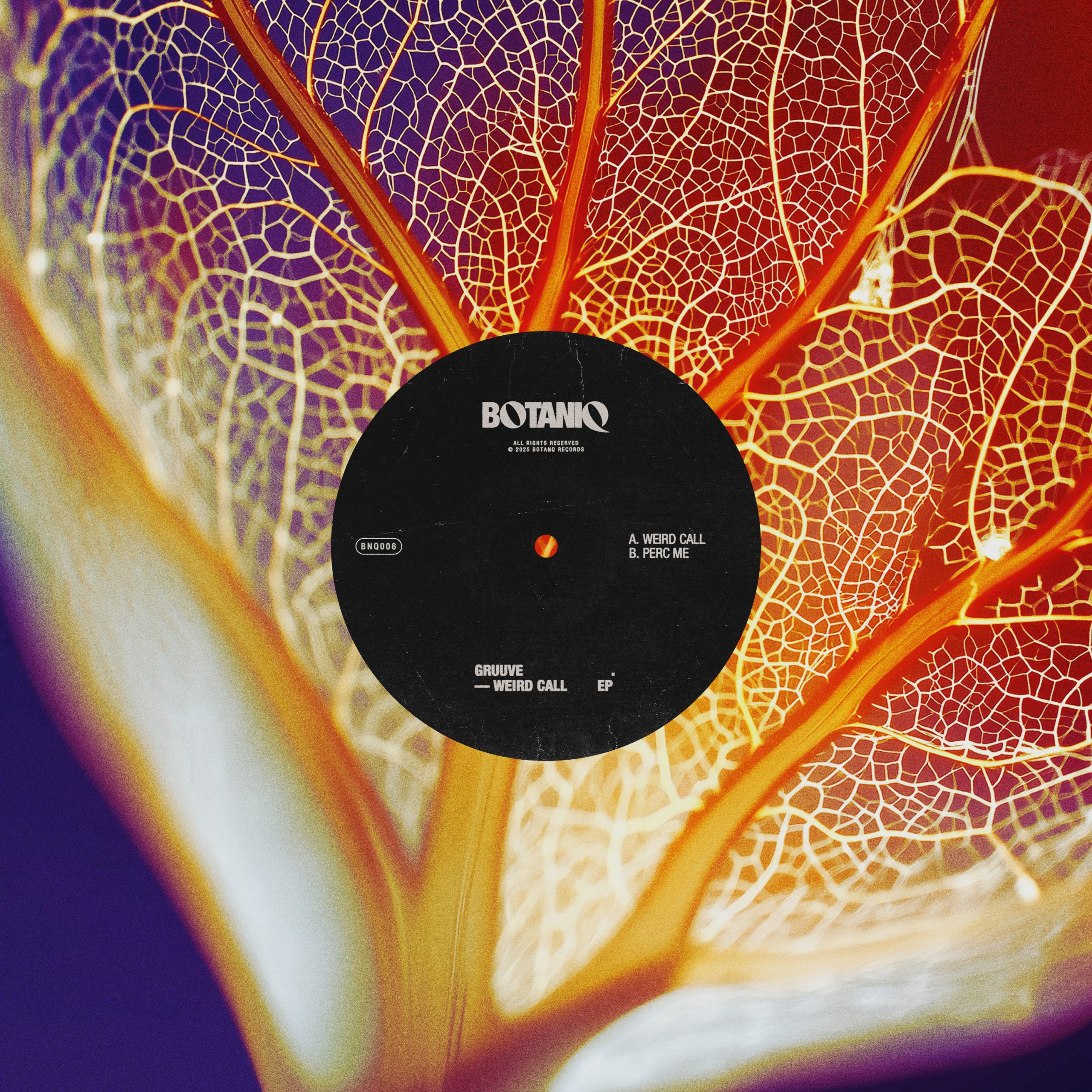
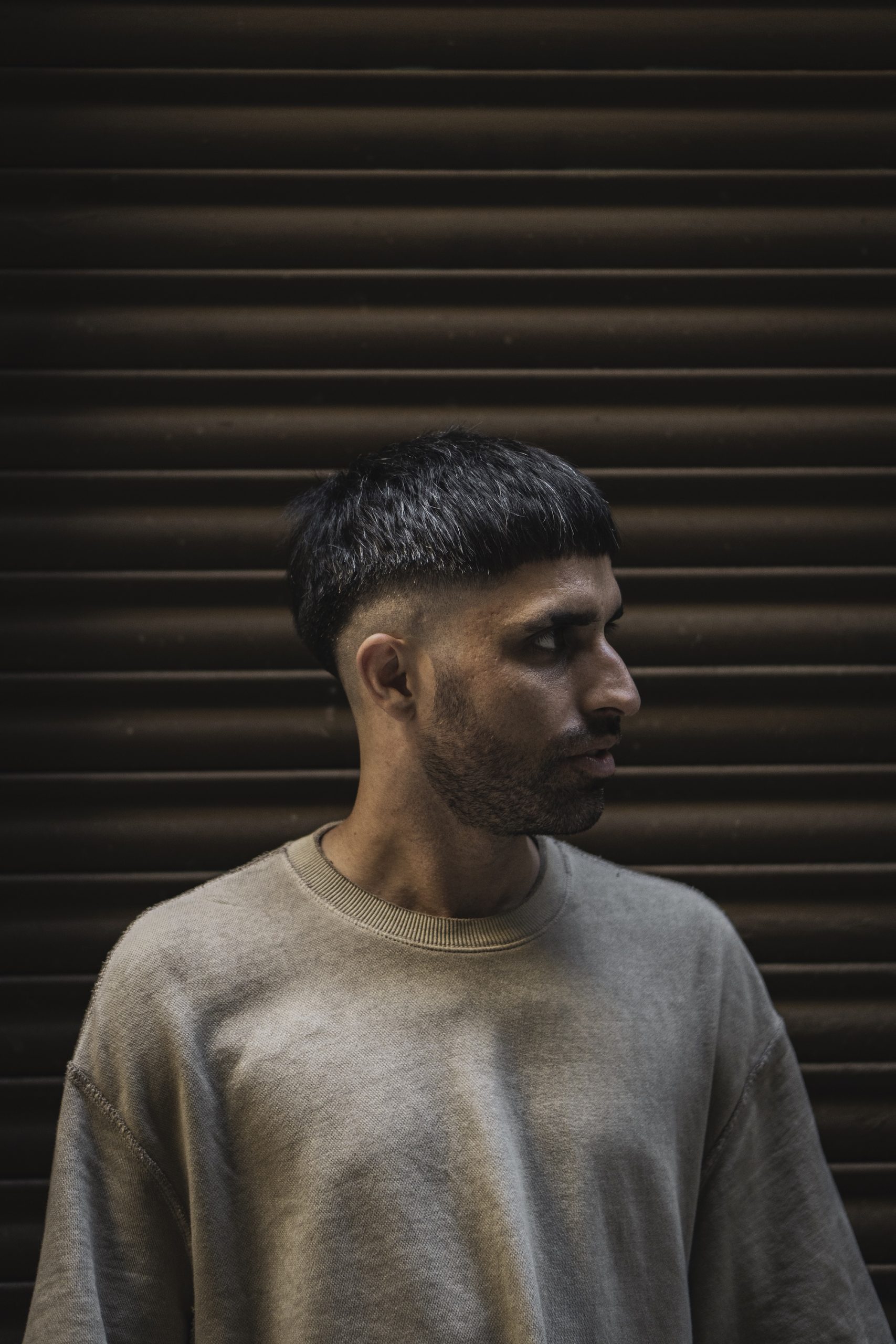
Argentine DJ and producer GRUUVE continues to refine his groove-led sound with the release of his ‘Weird Call’ EP on Dennis Cruz’s BotaniQ. Now based in Barcelona, he has spent years shaping a style rooted in hypnotic rhythms, percussion, and subtle emotion, drawing on influences from his early days in Mar del Plata to his time immersed in the city’s creative scene. As he adds another chapter to his growing catalogue, we catch up with GRUUVE to talk about his musical journey, studio process, and how he continues to keep his sound evolving.
You’ve been building your sound for a while now – how would you describe it in your own words?
I’d describe my sound as groove-driven, hypnotic, and emotionally detailed. It lives somewhere between deep house minimal tech & tech house but always with warmth. I focus a lot on rhythm and subtle movement.
What first drew you towards music?
Curiosity. I was always fascinated by music, but I remember going out to a party when I was 16 or 17 and hearing an electro house track. I started wondering how music like that was even created. I definitely couldn’t imagine a band playing those sounds, but I also had no idea how they were made. The next day I searched for a YouTube video showing how to make a beat, downloaded FL Studio, and that’s where it all started.
You were born in Argentina and are now based in Barcelona – how have those places influenced you musically?
In Argentina, in Mar del Plata, my hometown, even though I listened to many local DJs and a lot of different genres, I was always strongly drawn to House. My first productions and DJ sets had a dark tone, sometimes almost Techno, but always with a House foundation.As time passed, I became more seduced by groove and percussion. By the time I arrived in Barcelona, I already had a clear sound, but here I allowed myself to experiment much more. During the pandemic, I gave myself the freedom to really learn and explore.The beautiful thing about Barcelona is that there are so many incredibly talented artists, and you learn a lot from them.
When you’re in the studio, what’s usually the starting point for a new track?
Usually the groove. I start with drums and percussion until the rhythm feels solid and hypnotic. Once the groove works, everything else flows naturally. Sometimes a bassline or a small melodic loop sparks the idea, but rhythm is always the foundation.
Do you think about where a track might be played – clubs, festivals, terraces – while you’re making it?
Yes, but not in a calculated way. I imagine the energy. Is this a late-night club moment? A sunset terrace vibe? A peak-time release? That mental picture helps guide the arrangement and intensity.
You’ve released on a range of labels over the years. What do you look for when choosing where your music should land?
Connection and identity. I look for labels that have a clear vision and a sound I respect. It’s important that they truly believe in the release and support it properly. I also value long-term relationships over one-off drops.
How do you avoid falling into “generic” formulas and keep your sound feeling fresh?
I experiment constantly, even if those experiments never get released. I try new textures, unusual drum patterns, unexpected samples. Also, I listen to a lot of music outside electronic genres. Inspiration from other styles keeps things from becoming repetitive.
Running your own imprint, MUUV, must give you a different perspective – has that changed how you approach releasing music?
Definitely. Running MUUV made me more aware of the bigger picture: artwork, promotion, artist identity, timing. It gave me respect for the entire process behind a release. As an artist, I now think more strategically while still protecting the creative side.
What are you currently working on that excites you the most?
I’m exploring deeper, more stripped-back grooves with stronger emotional elements. It feels like a natural evolution of my sound, more refined but still dancefloor-oriented. That balance excites me.
Follow GRUUVE
Instagram – SoundCloud