


 Contributing Writer
R-TRYBE’s RETREAT 001 is the first release tied to its retreat series, a project that sits somewhere between a label and a creative platform, built around connecting producers through collaboration, feedback and shared studio time. The compilation brings together artists who spent a week working side by side, capturing the results of that process across a range of deeper and more hypnotic material.
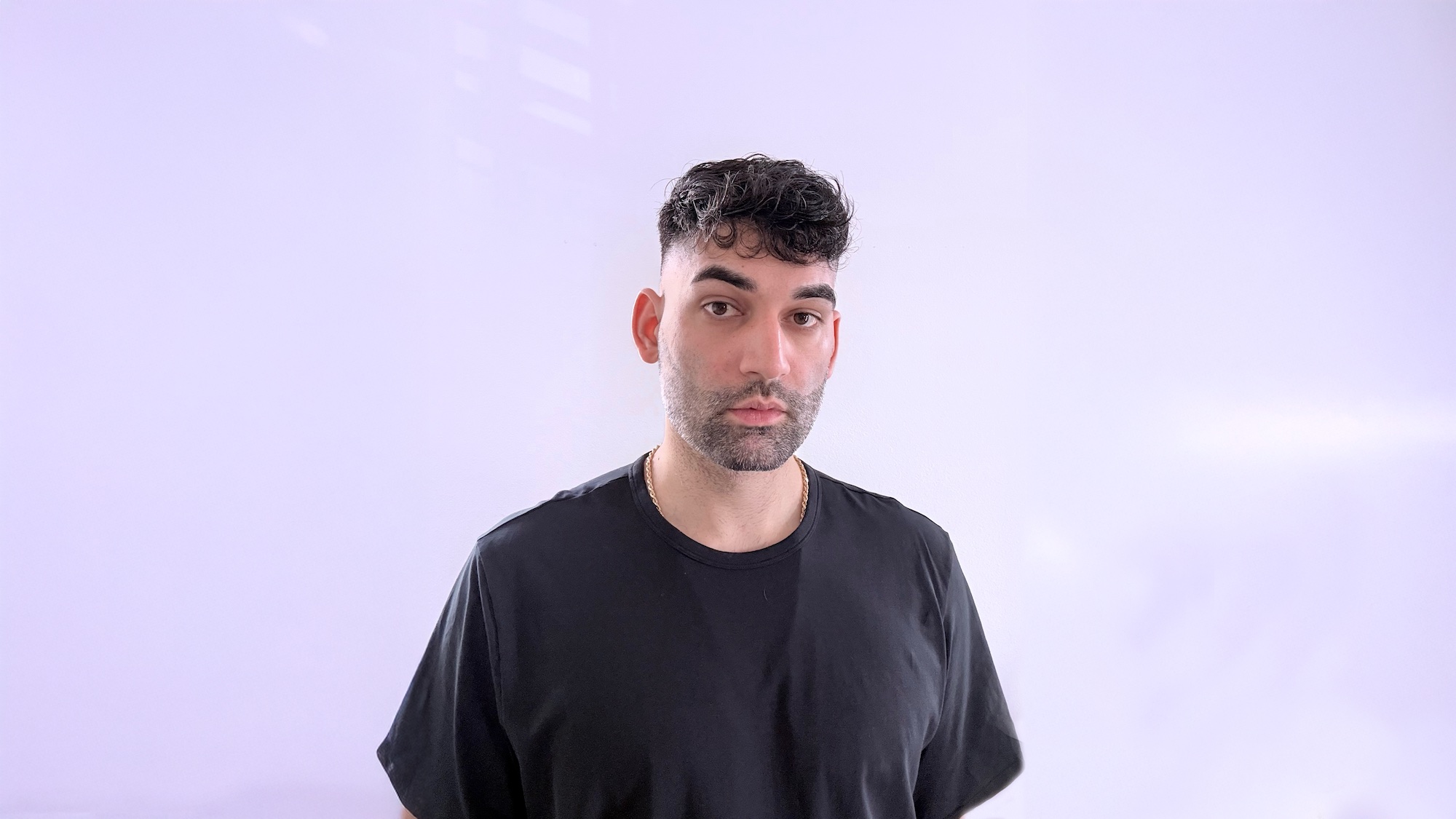
Among those featured is Dean Kabir, whose track The Original reflects that environment, where ideas move quickly and instinct tends to lead. Here, Kabir talks through how the record took shape, from the role of the vocal to the influence of working closely alongside other artists.
A title like The Original suggests something foundational or almost philosophical. When you were developing the track, did that idea guide the process in any way, or did the name emerge after the music had already taken shape?
When I first saved the project, I honestly had no idea what the track was going to turn into. It’s actually a funny story because I originally saved the file as “OG.” That was mostly because I felt like I was surrounded by some real OGs. Once I heard the vocals over the track, everything just clicked, and I knew it was meant to be. In a way, it felt like the title almost manifested itself.
The record moves through a fairly hypnotic space, with that spoken word line appearing almost like a fragment of dialogue rather than a traditional vocal. What drew you to that kind of voice element, and how did you decide how much of it the track actually needed?
What drew me to that vocal was how natural it felt. It didn’t sound like a typical sung hook, which worked really well with the groove of the track. When it came to how much to use, I mostly trusted my ear. There are always going to be moments where you wonder if you should’ve used a little more or a little less, but I try not to get too stuck on that and just keep things moving.
Retreat environments tend to compress the creative timeline. Instead of weeks or months, you have a few intense days around other producers. Did that sense of limited time make you work more instinctively than you normally would?
Yes, definitely. Being in that kind of environment pushed me to work much more instinctively than I normally would. When you know the time is limited, you stop overthinking and just follow the momentum of the idea. Since the retreat, I’ve actually tried to recreate that same kind of structure in my own studio days. That compressed timeline showed me that I can sit down, tune into the moment, and fall into a strong workflow pretty quickly.
When a group of producers are all working under the same roof, the studio becomes a kind of open laboratory. Were there moments during the week where you found yourself drifting into other people’s sessions, or absorbing ideas simply by overhearing what someone else was trying?
I actually made it a point during the week to sit down behind every producer there and see what they had going on in their sessions. I realized everyone had such a unique taste in their sounds. It felt like a rare opportunity to step into each person’s world for a moment and experience how they were thinking creatively. Every time I went back to my own session after that, I felt like I carried something with me, some small idea or spark of inspiration that found its way into the work.
R-TRYBE talks a lot about critique and collective listening as part of the process. How different does it feel sharing unfinished music with a room of peers compared to sending a finished track to a label or A&R?
When you’re sharing unfinished music with peers, you know you’re in a safe space. Sure, the response may not be exactly what you hoped from everyone in the room, but that sort of critique is what helps the work evolve. It’s very different from sending a finished record to a label or an A&R, where the stakes can feel higher. In that situation you’re presenting something as complete, whereas in a room full of other producers it’s more about the process and refining the idea together.
On a technical level, The Original has a slightly psychedelic quality in the way the elements move around the mix. Were there particular production tricks or sound design choices that helped create that sense of depth?
I spent time playing with delays, reverbs, and subtle automation to let certain elements move around and breathe a little more. I wasn’t necessarily trying to force a psychedelic quality, but once I started hearing those elements interact with each other, I leaned into it and let the track develop that sense of depth naturally.
View this post on Instagram
For listeners encountering RETREAT 001, the compilation works almost like a snapshot of what emerged during that week together. Do you remember the moment when your track started to feel “finished,” or did it remain something that kept evolving right up until the final export?
That moment for me was when I found the vocal. I knew it was the missing piece and that the record was essentially there. I was still working on it right up until the final moment, but it was mostly nitpicking small details in the mix. Going back to what I mentioned earlier, there are always those moments where you feel like you could’ve done something a little differently, but once I found the right match with the voice, it felt complete.
Looking beyond the release itself, projects like R-TRYBE are trying to build a longer-term network between producers. After spending time inside that environment, do you see it as mainly a place to develop music, or more as a way of building relationships that might shape future collaborations?
I think it’s definitely both. It’s a great environment to develop music because you’re surrounded by other producers who are all bringing their own ideas and perspectives into the room. At the same time, it’s just as much about building relationships. Spending that kind of focused time together naturally creates connections, and I think those relationships can easily carry into future collaborations.
Head to rtrybe.com to find out more